
The Living Among the Dead
The Pale Blue EyeLandor and Poe both experience the dead as present, but their beliefs reveal different ways of holding grief and memory.
increasing Bearing strength in each event
 decreasing
Bearing strength in each eventdecreasingLandor’s Visitors
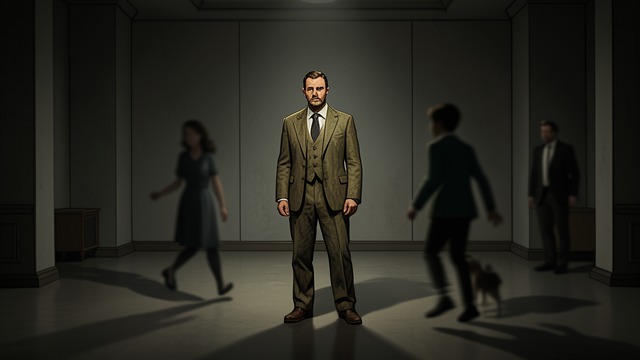
Landor’s Visitors
A crowded room
As he approaches death, Landor imagines his dead wife, mother, dog, and former acquaintances in his house. They occupy his attention without speaking to one another.
Memory as company
The visions make the past feel as immediate as the present. Landor’s unusual comfort in their presence prepares the novel’s larger question about whether the dead leave the living at all.
Poe’s Mother in Verse
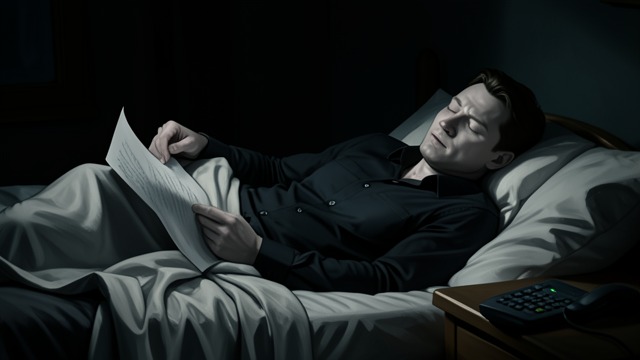
Poe’s Mother in Verse
A voice in sleep
Poe claims that his dead mother dictated a poem to him after Leroy Fry’s death. Landor dismisses the supernatural explanation, but the poem remains linked to Poe’s private experience of loss.
The need to believe
Poe has almost no living memory of his mother, yet he experiences her as a continuing presence. His account reveals how imagination can preserve connection when ordinary recollection is absent.
Two Theories of Haunting
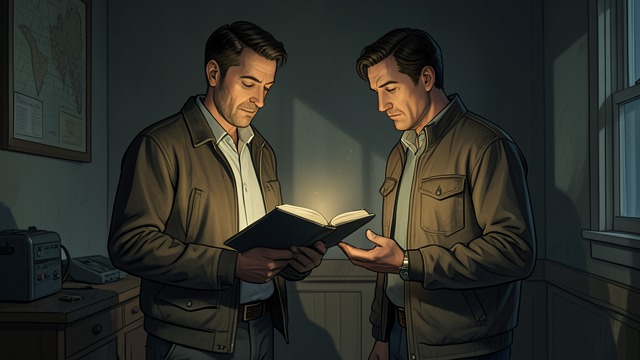
Two Theories of Haunting
Love and abandonment
Poe suggests the dead return when the living forget them or love them too much to let them depart. His ideas make grief an active relationship rather than a completed event.
Landor’s resistance
Landor understands the thought but does not share Poe’s confidence in spiritual survival. Their conversation exposes the different beliefs each man uses to bear loss.
The Dead as Evidence
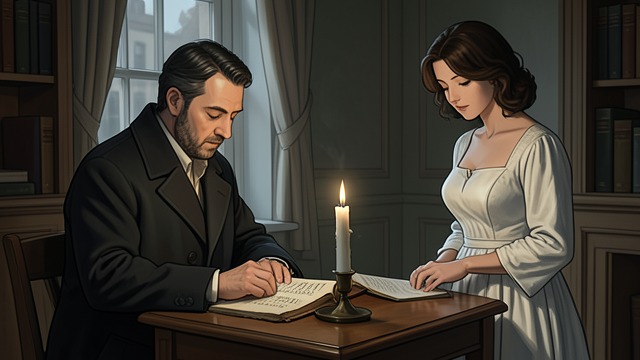
The Dead as Evidence
Mattie’s message
Poe reads Mattie’s poems as a communication from beyond the grave, while Landor sees the clues as an unintended exposure of his crime. The same writing carries both affection and accusation.
A bond that indicts
Mattie’s continued presence does not simply comfort Landor. Her words help reveal the revenge he has tried to conceal, making memory a force that demands accountability.
The Uncertain Afterlife
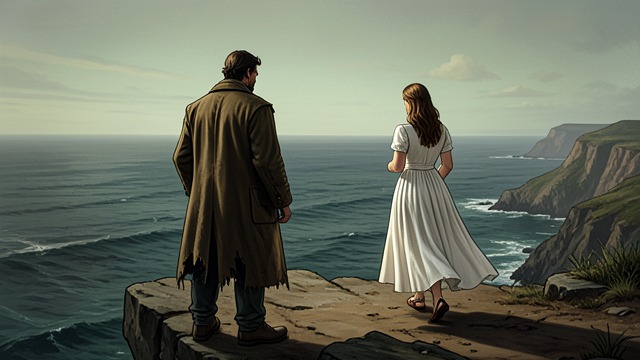
The Uncertain Afterlife
A final question
At the bluff, Landor asks Mattie to tell him that she will be waiting. He cannot share her faith that love guarantees reunion after death.
Grief without assurance
His final appeal leaves the question unresolved. The novel treats continued love as undeniable but offers no certainty that the dead can answer it.
April 19, 1831
October 1830
November 17, 1830
December 1830
April 19, 1831
